
Safety in Spain When Teaching English Abroad

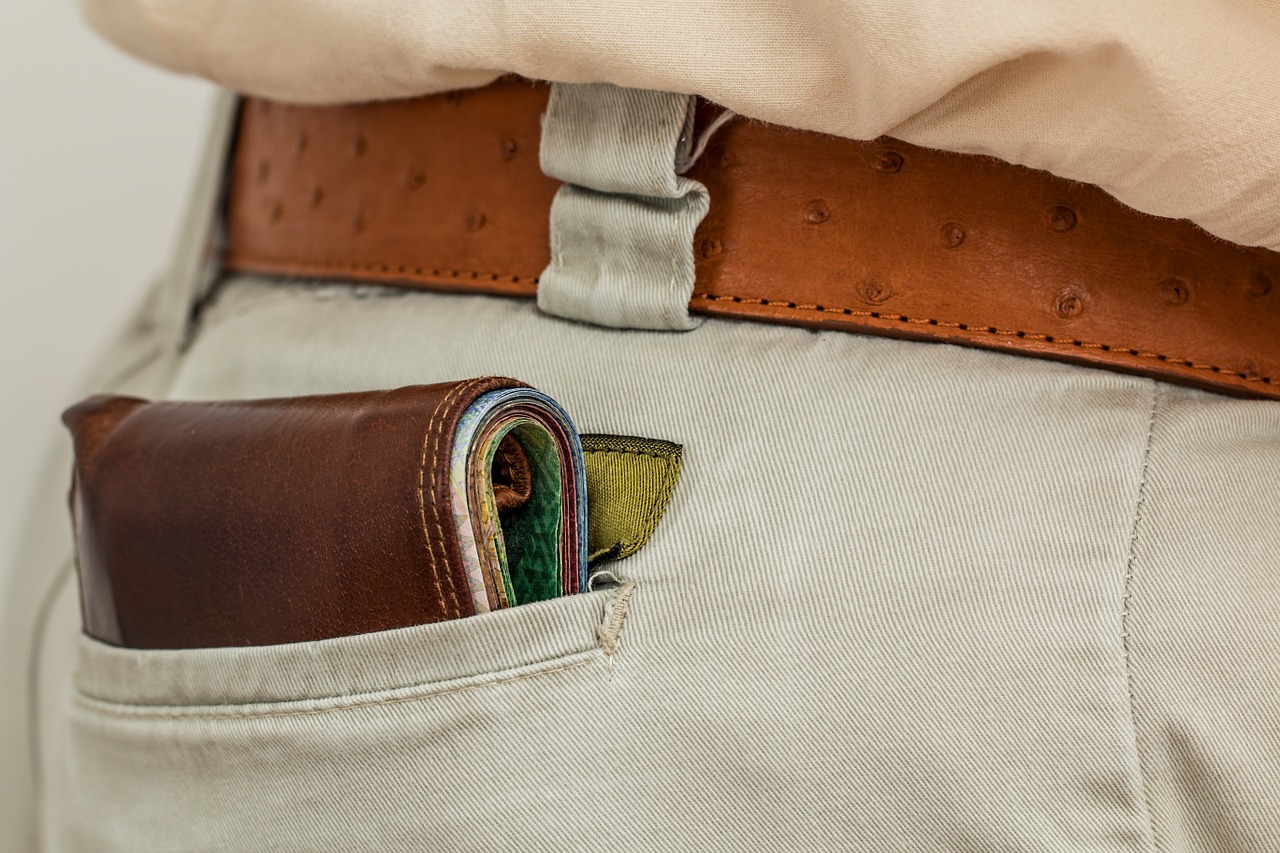
Person getting pick pocketed

If you are thinking about teaching English in Spain, it is completely normal to have questions about safety. Moving abroad is exciting, but it also comes with a lot of unknowns. You may be wondering what daily life feels like, how safe the cities are, and what kinds of situations you should actually prepare for.

The good news is that many people find Spain to be a comfortable and manageable place to live abroad. Like any destination, it is not perfect, and common sense still matters. But for most participants, the main safety concerns are much more about staying aware of your surroundings than worrying about serious danger.

Is Spain Safe for English Teachers?

For many people, Spain feels like a welcoming and easy place to settle into. Daily life often feels walkable, social, and community-oriented, which can help new arrivals feel more comfortable once they adjust.

That does not mean you should ignore basic safety habits. The most common issues tend to happen in busier cities and tourist-heavy areas, especially places where people get distracted. In many cases, the biggest risk is petty theft, not violent crime.

If you stay aware, protect your belongings, and use the same kind of caution you would use in any major city, you can usually avoid the most common problems.

The Most Common Safety Issue: Pickpocketing

When people talk about safety in Spain, pickpocketing usually comes up first. This is especially common in crowded places like metros, trains, tourist areas, busy streets, and restaurants.

Pickpockets often look for easy opportunities. They may target phones sticking out of pockets, bags left open, or belongings placed on the floor while someone is distracted. This does not mean Spain is unsafe. It just means you need to stay alert in high-traffic areas.

A few small habits can make a big difference:

  • keep your phone in a secure pocket or zipped bag
  • wear your backpack in front of you on crowded public transportation
  • keep purses and bags zipped and close to your body
  • avoid leaving your belongings loose or unattended at cafés and restaurants

Safety Tips for Living in Spain

The best way to stay safe in Spain is to build smart habits early. You do not need to be on edge all the time, but staying aware will help you feel more confident.

Here are a few simple tips:

Keep Your Valuables Secure

Use a bag that closes fully, and avoid carrying your phone or wallet in an easy-to-reach pocket. In crowded spaces, make it harder for someone to grab your belongings quickly.

Stay alert on public transportation

Metros, trains, and buses can get crowded, especially in larger cities. Keep bags in front of you, stay aware when doors open and close, and avoid zoning out with your belongings exposed.

Be careful in restaurants and cafés

Do not leave your bag hanging loosely off the back of a chair or sitting unprotected on the floor. Keep it close to you and secure it when possible.

Learn your neighborhood

Once you arrive, take time to understand your area. Figure out the safest routes home, where essential places are located, and what times different areas feel busiest or quieter.

Use the same common sense you would use anywhere

If something feels off, trust your instincts. Avoid flashing valuables, stay aware when walking alone at night, and make practical decisions in unfamiliar settings.

City Life vs. Smaller Towns

Your experience in Spain may feel different depending on where you live.

In larger cities like Madrid or Barcelona, you may need to be more aware of crowded public spaces, transit stations, and tourist areas. In smaller towns or quieter regions, daily life may feel slower and more familiar more quickly.

Neither option is automatically better or worse. They just come with different rhythms. Big cities often offer more convenience and activity, while smaller towns may feel calmer and easier to navigate day to day.

Feeling Safe as You Settle In

A lot of safety worries feel biggest before the move. Once you arrive and start building routines, daily life often feels much more manageable.

You learn which routes you take most often, where to keep your things, how to move through the city, and what feels normal in your neighborhood. That confidence usually grows pretty quickly.

It also helps to have support. Talking with other participants, asking questions, and knowing what to expect can make the adjustment feel much smoother.

Teaching Abroad in Spain Can Still Feel Very Comfortable

Safety concerns should always be taken seriously, but they also should not stop you from considering Spain if the experience feels right for you.

For many people, teaching abroad in Spain becomes one of the most rewarding years of their lives. The key is to arrive prepared, stay aware, and build smart habits from the start. Once you do that, it becomes much easier to focus on the parts of the experience you came for: the students, the travel, the lifestyle, and the chance to build a life abroad.

Start Your Spain Journey with RVF International

Teaching English in Spain gives you the chance to experience a new culture, support students, and build a life abroad in a way that feels exciting and realistic.

At RVF International, we help participants feel more prepared before they leave and more confident once they arrive. When you understand what to expect and how to handle the basics, daily life in Spain feels much easier to navigate.

Share this post

Continue Reading

American Man overlooking South Korea - English Teaching Abroad

Teaching English in South Korea as an American: What to Know Before You Apply

Teaching English in South Korea as an American can feel exciting and a little intimidating. It may even feel unreal until you start looking more into the process. You might be picturing weekend trips to Seoul, Korean barbecue with new friends, street food after work, reliable public transportation, and the chance to live somewhere completely […]

Read More
Bridge in Busan, South Korea

Do You Need TEFL to Teach English in South Korea?

For many applicants, yes, but it depends on your academic background. On the EPIK pathway, applicants must hold at least a bachelor’s degree from an accredited university in one of the designated countries. From there, TEFL requirements depend on what you studied or whether you already have teaching credentials. You do not need a TEFL/TESOL/CELTA […]

Read More
Best Paid Teach Abroad Programs for Americans

Best Paid Teach Abroad Programs for Americans: Spain, South Korea, Taiwan, and Japan

If you are dreaming about teaching English abroad, salary is probably one of the first things you are comparing and are concerned with. Moving abroad is exciting, but it is also a real financial decision. You may be thinking about rent, flights, visa costs, savings, student loans, weekend trips, and whether your monthly income will […]

Read More