
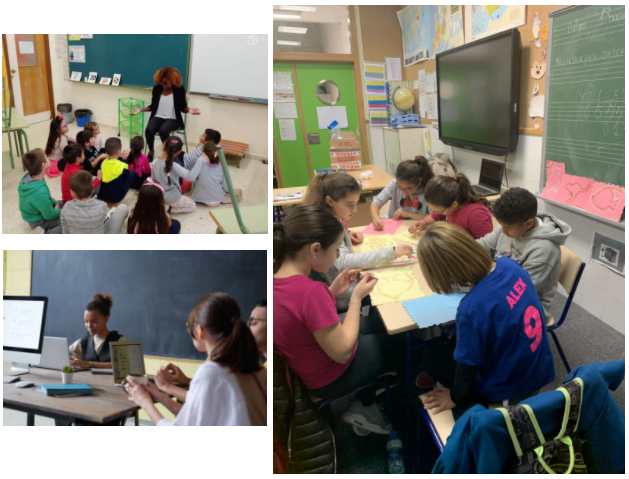
What is a Language Assistant?
A language assistant, known as an auxiliar de conversación in Spanish, is a native English speaker who spends a year in Spain supporting teachers in public primary or secondary schools. The purpose of this program is to bring native-level English speakers into classrooms in Spain to help enhance students’ language skills. A language assistant serves as a linguistic and cultural model, providing students with exposure to natural pronunciation, colloquial expressions, and authentic cultural references.
The Role of a Language Assistant
Language assistants play a crucial role in the development of students’ English skills. Their presence in the classroom is a significant advantage in improving students’ listening and speaking abilities. Unlike regular teachers, language assistants focus on interactive activities, helping students build confidence in conversational English.
Some key responsibilities include:
- Assisting English teachers in classrooms by leading speaking exercises and discussions.
- Providing pronunciation practice and cultural insights to students.
- Helping prepare students for oral exams and assessments.
- Conducting small group activities focused on communication skills.
- Creating engaging lesson plans that incorporate games, role-playing, and other interactive methods.
- Sharing aspects of their own culture, such as traditions, holidays, and customs.
- Offering support with language immersion techniques and real-world application of English.
Benefits of Being a Language Assistant
Becoming a language assistant is an enriching experience that provides numerous professional and personal benefits, including:
1. Immersion in Spanish Culture and Language
Living and working in Spain allows language assistants to fully immerse themselves in Spanish culture. From participating in local festivals to enjoying traditional cuisine, they gain firsthand experience of the country’s customs. Additionally, being surrounded by native speakers provides an excellent opportunity to learn Spanish.
2. Valuable Teaching Experience
Even for those without prior teaching experience, working as a language assistant provides practical classroom exposure. It is an excellent stepping stone for those considering a career in education, ESL teaching, or international work.
3. Professional Development
The role develops key skills such as public speaking, adaptability, leadership, and cross-cultural communication. These skills are highly valued in a variety of career paths, including education, business, and international relations.
4. Flexible Work Schedule
Most language assistants work between 12 and 16 hours per week, usually across a four-day work schedule. This allows for plenty of free time to travel, study Spanish, or explore personal interests.
5. Travel Opportunities
Spain’s location makes it an ideal base for travel within Europe. With budget-friendly transport options, assistants can explore nearby cities and even venture to other European countries on weekends and holidays.
How to Succeed as a Language Assistant
1. Be Adaptable
Spanish schools may operate differently from what you are used to, so flexibility is key. Being open to different teaching styles and classroom dynamics will help you adjust quickly.
2. Engage with Students
Building a rapport with students makes lessons more enjoyable and effective. Use creative methods like music, games, and storytelling to keep students engaged.
3. Communicate with Teachers
Working closely with the English teacher will ensure that you understand lesson plans and expectations. Collaboration is essential for a smooth teaching experience.
4. Learn Basic Spanish
While fluency in Spanish is not required, learning basic Spanish phrases can make daily life easier and improve interactions with teachers, students, and the local community.
5. Be Prepared
Having lesson plans and activities ready will help you feel more confident in the classroom. Planning ahead ensures that you provide valuable and engaging lessons.
How to Apply to Become a Language Assistant in Spain
If you are interested in teaching English in Spain, RVF International can help you navigate the application process. The program is open to native English speakers from countries such as the U.S., Canada, Australia, and New Zealand. Applicants must hold at least an associate’s or bachelor’s degree, with a sense of adventure and enthusiasm for cultural exchange.
Why Choose RVF International?
RVF International provides comprehensive support for language assistants, including:
- Guaranteed placement in Spanish public schools.
- Visa and residency application assistance.
- Access to Spanish-language courses.
- Guidance throughout the entire process, from application to arrival.
Start Your Journey Today!
Teaching English in Spain as a language assistant is a unique opportunity to gain international experience, immerse yourself in a new culture, and make a meaningful impact on students’ lives. If you’re ready to embark on this incredible journey, contact RVF International today to learn more about how to apply!